
Wrangler Denim & Apparel Buying Guide: Western Staples to Workwear
October 19, 2026One Hanes Place Buying Guide: Bras, Panties, Shapewear & Everyday Intimates
October 25, 2026
Shopping guide
Accessible Off-Grid Power and Scalable Battery Storage
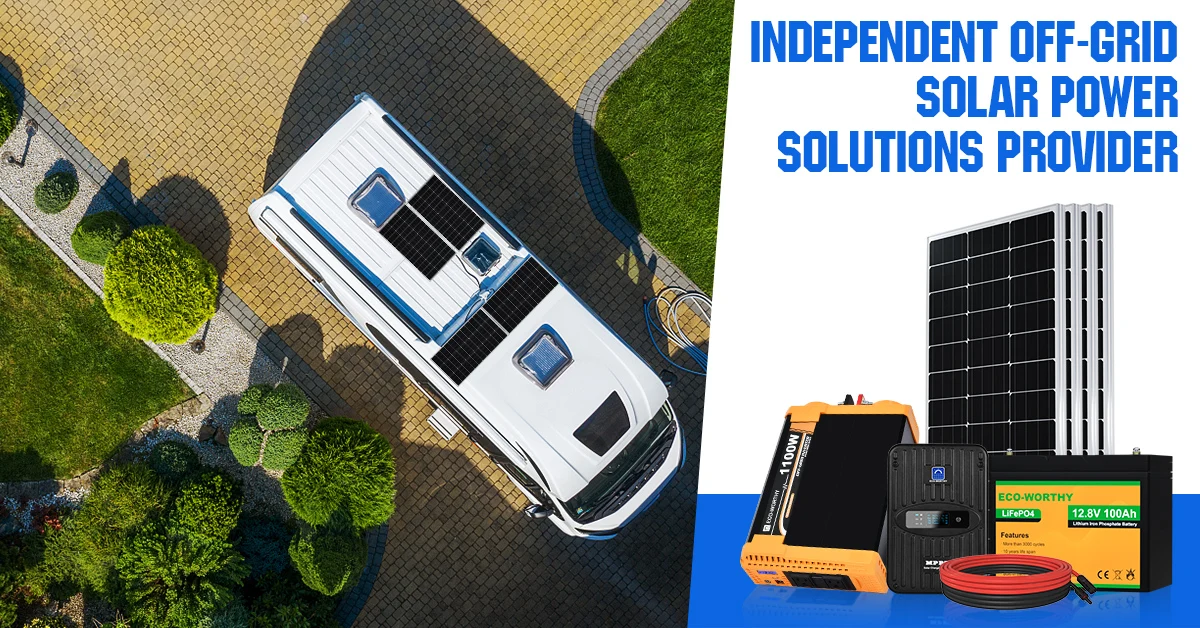
Whether preparing for utility outages, outfitting a cabin, or upgrading an RV, Eco-Worthy provides modular off-grid solar equipment and high-density lithium storage designed for DIY installation.
01
Meet the merchant
Sizing LiFePO4 Battery Storage for Off-Grid and Backup Needs
Calculating accurate battery capacity is the foundation of any dependable solar power installation. Lithium Iron Phosphate (LiFePO4) chemistry has emerged as the modern benchmark for stationary energy storage due to its exceptional thermal stability, long cycle life, and deep depth of discharge. When evaluating Eco-Worthy batteries, begin by tallying your essential daily consumption in watt-hours (Wh). A typical off-grid cabin or emergency backup circuit powering a refrigerator, LED lighting, communication gear, and basic medical devices often draws between 3,000Wh and 6,000Wh each day.
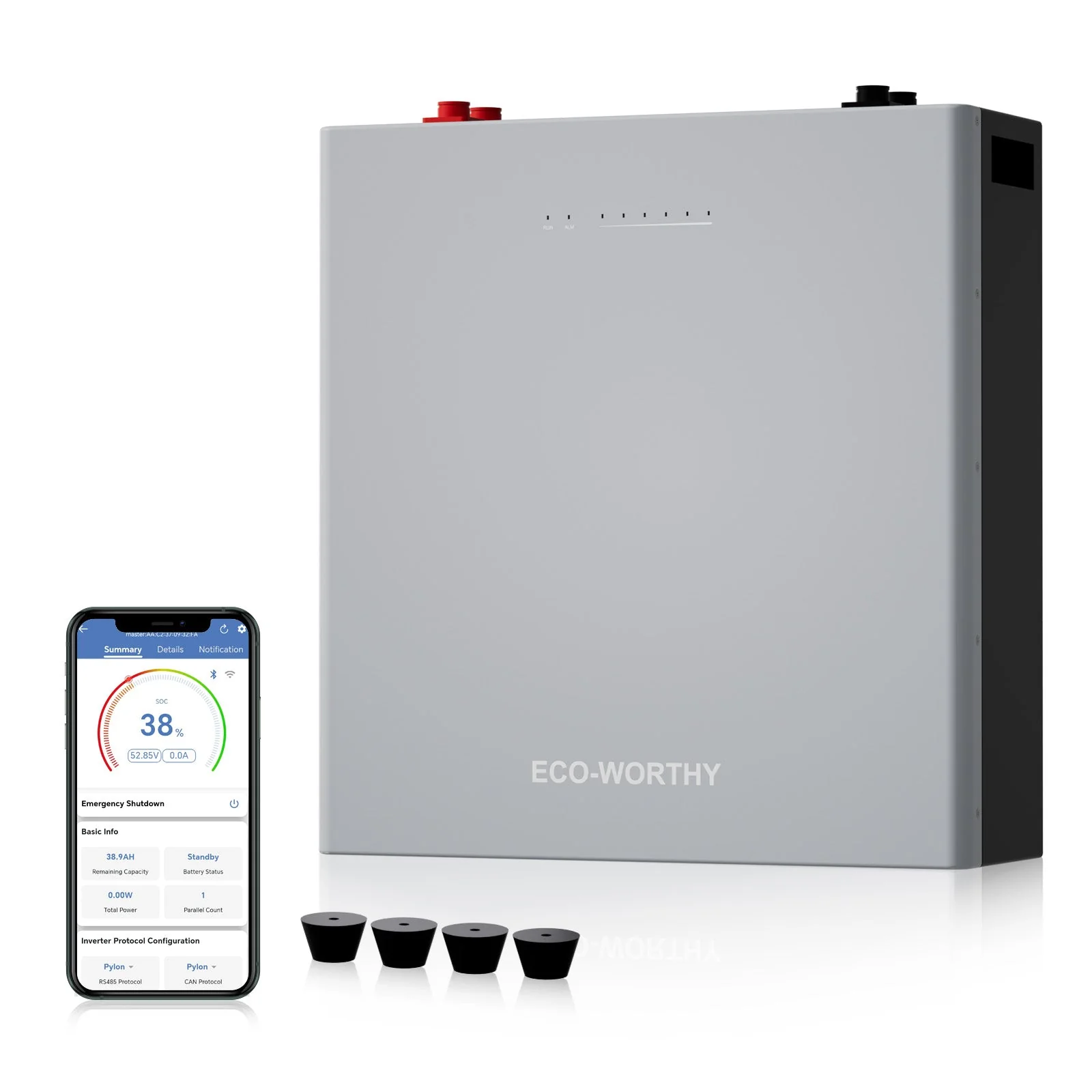
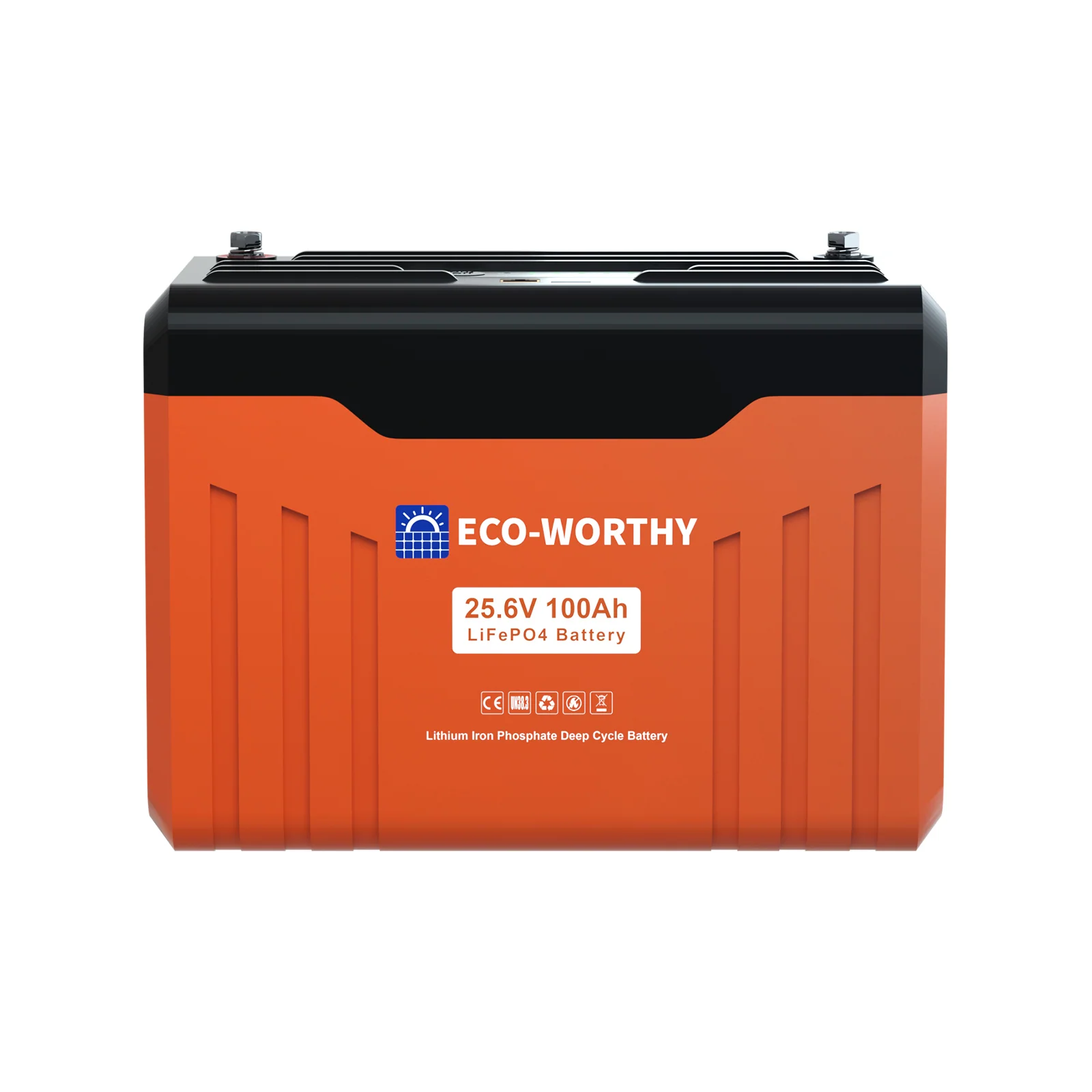
For modest mobile platforms, off-grid outbuildings, or camper vans, smaller 12V or 24V batteries such as the Eco-Worthy 24V 100Ah pack provide 2,560Wh of compact energy storage without demanding complicated rack architecture. By contrast, serious residential emergency backup and full-time off-grid homes benefit significantly from 48V nominal systems. Units like the Eco-Worthy WallBank S100 deliver 5.12kWh per unit, reducing current amperage across your DC wiring, which cuts down resistive heat loss and allows the use of thinner, more manageable gauge copper cabling.
- 12V and 24V Systems: Best suited for overland builds, RV electrical systems, marine applications, and basic remote workshops where loads rarely exceed 2,000W continuous output.
- 48V Residential Architecture: Optimal for high-draw household loads, mini-split air conditioning, well pumps, and multi-kilowatt hybrid inverters that demand steady current without voltage drop.
- Reserve Sizing: Factor in a safety buffer of at least 20% to 30% reserve capacity to protect against consecutive overcast days without stressing battery depth of discharge.
02
Offers and conditions
| Offer | Value / code | Conditions |
|---|---|---|
| Free Shipping Free & Fast Delivery Source |
Free & Fast Delivery | Free & Fast Delivery |
Before ordering, check price, stock, shipping, returns, and offer terms on the merchant checkout page.
03
Featured picks
04
Before you order
Choosing Between Standalone Components and Pre-Built Power Bundles
Shoppers navigating off-grid solar equipment must decide whether to purchase a pre-engineered bundle or piece together individual standalone components. Eco-Worthy caters to both pathways. Pre-configured home backup bundles pair matched solar panels, hybrid split-phase inverters, and battery banks into cohesive kits, significantly reducing the engineering friction of calculating maximum open-circuit voltages (Voc) or busbar capacities.
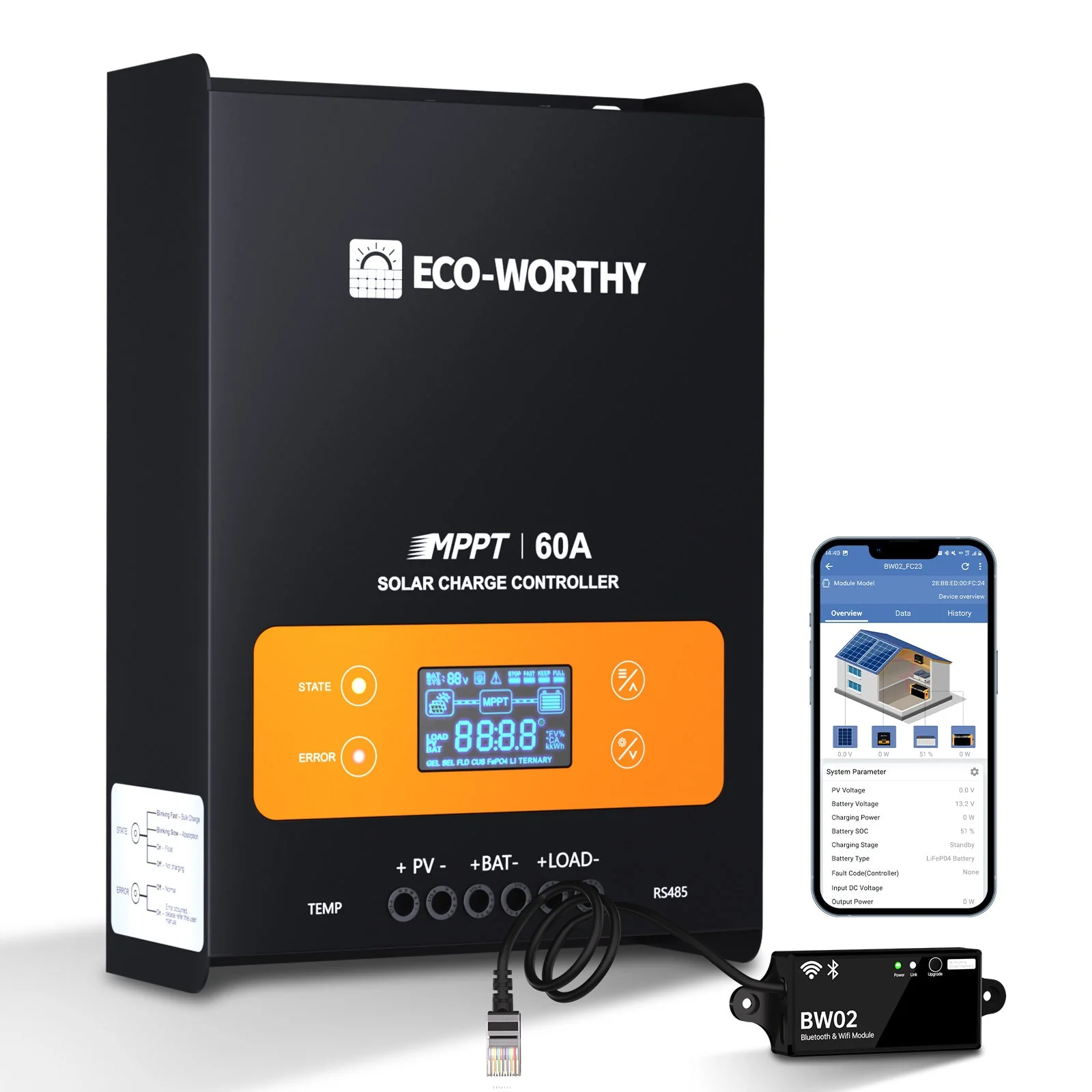
On the other hand, sourcing standalone components grants total autonomy over your electrical blueprint. If your facility already features an existing inverter-charger or specialized distribution subpanel, adding targeted units—such as the 60A MPPT charge controller or a dedicated wall-mount storage battery—allows you to upgrade individual bottlenecks without paying for unnecessary duplicates. Standalone component selection also allows gradual budget allocation, letting homeowners install base storage first and expand their solar panel array over time.
Before placing an order, always verify current inventory availability, package delivery requirements, and return terms directly on the merchant checkout page, as high-capacity lithium units and heavy solar panel pallets frequently ship via specialized freight carriers.
Inverter Capacity, Solar Panel Output, and System Compatibility
A balanced solar system requires tight synchronization between solar panel generation, charge controller throughput, and inverter output capacity. Oversizing an inverter while underpowering the solar array leaves batteries chronically undercharged, while undersized inverters cause nuisance trips when major appliances cycle on. For split-phase 120V/240V household loads—such as well pumps, electric clothes dryers, or workshop tools—a heavy-duty 48V inverter capable of at least 6kW to 10kW continuous output is recommended.
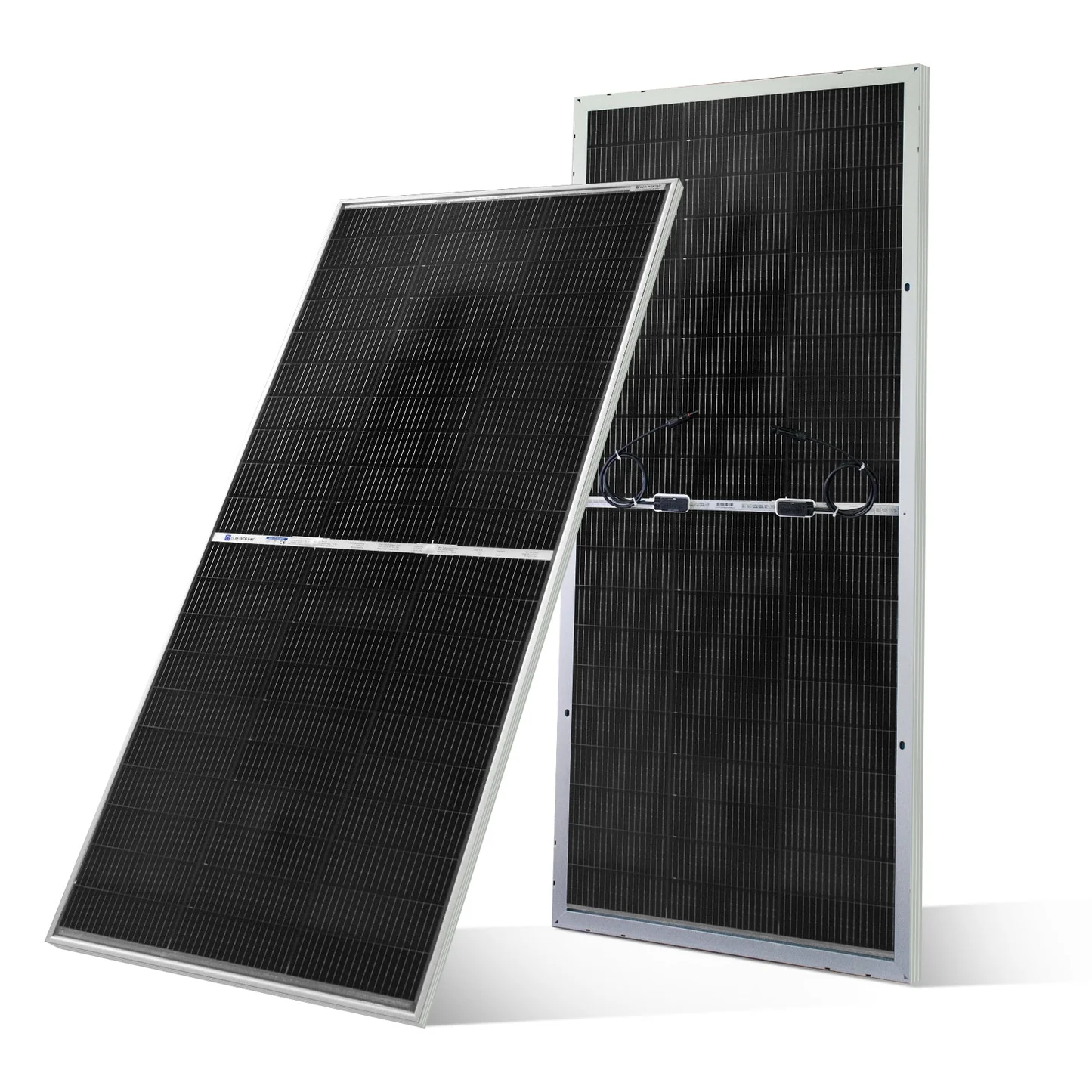
Solar harvesting efficiency hinges on high-efficiency charge management. Utilizing an advanced Maximum Power Point Tracking (MPPT) regulator ensures that fluctuations in sunlight and ambient temperature do not throttle power production. Eco-Worthy’s 60A multi-voltage MPPT controller accepts elevated DC array voltages, transforming high solar voltage into optimal charging current for 12V through 48V battery banks while minimizing cable transmission losses across long roof-to-battery wire runs.
- Continuous vs. Surge Rating: Ensure your inverter’s surge capacity can handle inductive motor startup spikes, which can draw two to three times running wattage.
- Array Voltage Matching: Keep solar panel string voltages comfortably within the MPPT controller’s input voltage window under cold weather conditions, when panel Voc naturally spikes.
- Battery Charge Rates: Confirm that the cumulative charge controller output does not exceed the manufacturer-recommended maximum continuous charge current of the connected battery BMS.
Safety Certifications, Warranty Coverage, and Installation Considerations
Working with high-voltage DC arrays and high-capacity lithium storage banks demands strict adherence to electrical safety and code compliance. Lithium Iron Phosphate represents the safest commercially available lithium chemistry, eliminating the runaway fire hazards associated with traditional cobalt-based chemistries. Eco-Worthy integrates comprehensive Battery Management Systems (BMS) across its storage lineup to monitor cell balancing, prevent short circuits, and protect against over-voltage, over-discharge, and high-temperature operating conditions.
Physical installation requires careful preparation. Wall-mounted units like the WallBank S100 require secure anchoring into load-bearing wall framing or masonry to support their concentrated weight. Ensure indoor utility spaces maintain ambient temperatures within safe charging ranges, particularly in freezing winter environments where low-temperature charge cutoff features protect internal cells from permanent lithium plating damage. Dedicated DC disconnect breakers, Class T fuses, and appropriately sized grounding rods should always be integrated between the solar array, battery bank, and inverter disconnect panels.
Warranty coverage provides peace of mind on long-term capital investments. Many Eco-Worthy enterprise and residential battery units feature manufacturer warranties extending up to 10 years. Always review warranty exclusions, operating temperature constraints, and claim procedures on the official Eco-Worthy storefront prior to final purchase.
- Calculate your daily watt-hour baseline and surge wattage demands before choosing between 12V, 24V, or 48V architecture.
- Confirm inverter and charge controller voltage compatibility to avoid conversion losses and mismatched solar array inputs.
- Review current live prices, delivery conditions, local building permit requirements, and manufacturer warranty terms at checkout.
05
FAQ
Can I connect different Eco-Worthy batteries together in the same bank?
It is strongly recommended to connect only identical batteries of the same model, voltage, capacity, and manufacturing batch in parallel or series. Mixing batteries with different capacities or ages can cause unbalanced charge distribution and premature BMS shutoffs.
Are Eco-Worthy LiFePO4 batteries safe to charge in sub-freezing temperatures?
Standard lithium batteries should not be charged below 32°F (0°C) to prevent lithium plating. Many newer Eco-Worthy models feature integrated low-temperature charge protection, which pauses incoming charging current until temperatures return to safe thresholds.
Do Eco-Worthy solar kits include everything needed for a complete installation?
Complete kits typically include panels, inverters, charge controllers, batteries, and basic connection cables. However, users frequently need to source site-specific structural mounting hardware, conduit, grounding rods, and specialized DC inline fuses to meet local electrical codes.
What is the expected lifespan of an Eco-Worthy LiFePO4 battery?
LiFePO4 chemistry generally delivers between 3,000 to over 6,000 charge cycles before dropping to 80% original capacity, which translates to roughly 8 to 15 years of daily cycling under recommended discharge depths and ambient temperature conditions.
Where should I confirm current prices, shipping freight options, and warranty policies?
Always verify exact pricing, stock levels, freight delivery requirements, return guarantees, and active promotional terms on the official Eco-Worthy merchant checkout page before finalizing your order.
Disclosure: this article may contain affiliate links. We may earn a commission if you purchase through these links, at no extra cost to you.